

Oral hygiene is a critical component of overall health, and flossing has long been recommended by dental professionals as an essential part of daily dental care. However, many people worry about whether flossing might actually harm their gums. This concern is valid and deserves a closer examination.
Understanding Gum Sensitivity and Flossing Technique
Proper flossing technique is crucial to preventing potential damage to your gums. Many individuals experience bleeding or discomfort when they first start flossing, which can lead to misconceptions about its safety. The key is to be gentle and methodical.
When you floss, use a soft, up-and-down motion rather than aggressive sawing. Insert the floss carefully between teeth, hugging the side of each tooth and moving it gently beneath the gum line. If you’re experiencing pain or excessive bleeding, it might indicate that you’re being too rough or that you have existing gum inflammation.
The Risks of Improper Flossing
Incorrect flossing can indeed cause gum damage. Aggressive flossing can:
- Create small cuts in the gum tissue
- Push bacteria deeper into gum pockets
- Cause inflammation and potential recession of gum tissue
- Increase sensitivity and discomfort
Our Dentist North Palm Beach FL would likely emphasize that technique matters more than frequency. It’s not about how hard you floss, but how carefully and consistently you do it.
Signs You Might Be Damaging Your Gums
Watch for these warning signs that your flossing technique might be causing harm:
- Persistent bleeding beyond the first few days of regular flossing
- Sharp pain during or after flossing
- Swollen or tender gum areas
- Increased tooth sensitivity
If you experience these symptoms, consider consulting a dental professional who can assess your technique and gum health.
Choosing the Right Flossing Tools
Not all floss is created equal. Consider these options:
- Waxed floss for easier gliding between teeth
- Soft-pick interdental cleaners for sensitive gums
- Water flossers for those with limited manual dexterity
- Dental tape for individuals with wider spaces between teeth
Each type of flossing tool has advantages, and the best choice depends on your individual dental anatomy and sensitivity.
Best Practices for Safe and Effective Flossing
To minimize the risk of gum damage:
- Floss at least once daily
- Use a clean section of floss for each tooth
- Be gentle and use slow, controlled movements
- Hold the floss tightly against the tooth surface
- Rinse with an antiseptic mouthwash after flossing
Remember, the goal is to remove plaque and food particles without traumatizing your gum tissue. Consistent, gentle technique is far more important than aggressive cleaning.
When to Seek Professional Advice
If you’re unsure about your flossing technique or experiencing persistent gum issues, don’t hesitate to seek professional guidance. A dental professional can provide personalized advice, demonstrate proper technique, and address any underlying concerns.

Conclusion
Flossing, when done correctly, is not only safe but essential for maintaining optimal oral health. By understanding proper technique and being mindful of your gums, you can effectively clean between teeth without causing damage.
Embrace flossing as a gentle, crucial part of your oral hygiene routine. Your gums will thank you for your careful attention and consistent care.
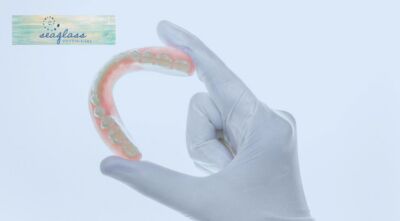
Your Smile,Your Strength. Understanding Dentures, Implants, and Proper Care. At Seaglass Dental Care in North Palm Beach, we believe in empowering our patients with knowledge to make informed decisions about their oral health. Therefore, whether you are considering dentures or dental implants, understanding their benefits, limitations, and maintenance is crucial for long-term satisfaction. While […]

A pediatric dentist is a dental specialist who focuses on the oral health of children, from infancy through adolescence. These professionals undergo additional training beyond dental school, typically completing a two to three-year residency that equips them with the skills to manage the unique dental needs of children, including those with special needs. Pediatric dentists […]

Dental crowns are the frequently recommended modern dentist’s procedure. Dental crowns are a popular method for fixing various dental problems. This combination of form and function makes crowns an attractive option for a variety of patients. Nevertheless, as with any other dental procedure, in the case of crowns, there are both positives and negatives. This […]

In the quest for pristine oral hygiene, many people reach for antimicrobial mouthwashes as their weapon of choice against bacteria. But what if this daily ritual is doing more harm than good? Recent scientific research has begun to shed light on the complex relationship between antimicrobial mouthwashes and the delicate ecosystem living inside our mouths. […]
