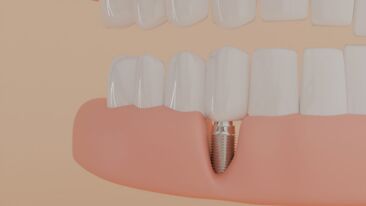
As a trusted dentist in North Palm Beach, I often get asked, “How long do dental crowns last?” On average, dental crowns can last anywhere from 10 to 15 years, but their longevity depends on several factors, including the material used, your oral hygiene habits, and your lifestyle.
Types of Dental Crowns and Their Lifespan
Different types of crowns are made from various materials, and their lifespan can vary accordingly:
- Porcelain Crowns: These are popular for their natural appearance and are typically used for front teeth. With proper care, they can last up to 15 years or more.
- Metal Crowns: Often made of gold or other alloys, metal crowns are highly durable and can last upwards of 20 years. They are often placed on molars, where strength is a priority.
- Porcelain-Fused-to-Metal (PFM) Crowns: These crowns offer a combination of aesthetics and strength. Their lifespan averages around 10 to 15 years, depending on wear and care.
- Ceramic Crowns: Similar to porcelain crowns, these are best for a natural look and can last between 10 to 15 years, though they are slightly more prone to wear and tear.
Factors That Affect the Lifespan of Dental Crowns
Several factors can influence how long your dental crowns will last:
- Oral Hygiene: Proper brushing, flossing, and regular dental checkups are crucial. Neglecting your oral hygiene can lead to decay or gum disease, which can shorten the lifespan of your crowns.
- Biting Habits: If you have a habit of grinding your teeth (bruxism) or biting down on hard objects like ice, pens, or fingernails, you may damage your crowns over time. A nightguard can help protect your crowns if you grind your teeth at night.
- Dietary Choices: Certain foods and beverages can wear down crowns faster. Sticky, hard, or acidic foods can lead to damage, while sugary foods increase the risk of decay around the crowned tooth.
- Dental Material Used: Metal crowns tend to last longer due to their durability, while porcelain or ceramic crowns may wear down more quickly if not cared for properly.
Tips to Make Your Crowns Last Longer
While crowns are designed to be durable, there are several ways to extend their lifespan and ensure you get the most out of your investment.
- Maintain Excellent Oral Hygiene: Brush your teeth twice a day with fluoride toothpaste and floss regularly to remove plaque from the gum line and between teeth. Pay special attention to the crowned tooth to prevent decay and gum disease.
- Visit Your Dentist Regularly: Regular checkups allow your dentist to monitor the condition of your crowns and address any potential issues before they become serious. Routine cleanings also help to remove plaque that can contribute to decay around the crowned tooth.
- Avoid Bad Habits: Steer clear of habits that can damage your crowns, such as chewing on ice, opening packages with your teeth, or grinding your teeth. If you grind your teeth at night, your dentist in N Palm Beach may recommend wearing a nightguard to protect your crowns.
- Watch What You Eat: Limiting your intake of hard or sticky foods can prevent cracks and other damage to your crowns. Also, be cautious of highly acidic or sugary foods that can weaken the enamel of surrounding teeth.
- Wear a Mouthguard During Sports: If you play contact sports, wearing a mouthguard can protect your crowns and natural teeth from damage caused by impact.
When to Replace Your Dental Crowns
Even with the best care, dental crowns will eventually need to be replaced. Some signs that it may be time for a replacement include:
- Pain or discomfort in the crowned tooth
- Visible wear or cracks on the crown
- Gum recession around the crowned tooth
- Loosening of the crown
If you notice any of these signs, it’s important to schedule a visit with your dentist in N Palm Beach to evaluate whether your crown needs repair or replacement.

nurse practicing on the layout of the jaw with teeth
Conclusion
Dental crowns are a reliable way to restore the function and appearance of damaged teeth. While their average lifespan is 10 to 15 years, proper care can extend their longevity significantly. By maintaining good oral hygiene, avoiding damaging habits, and visiting your dentist regularly, you can ensure that your dental crowns last for years to come. For personalized advice on how to care for your crowns, don’t hesitate to reach out to your dentist in N Palm Beach.

A pediatric dentist is a dental specialist who focuses on the oral health of children, from infancy through adolescence. These professionals undergo additional training beyond dental school, typically completing a two to three-year residency that equips them with the skills to manage the unique dental needs of children, including those with special needs. Pediatric dentists […]

Dental crowns are the frequently recommended modern dentist’s procedure. Dental crowns are a popular method for fixing various dental problems. This combination of form and function makes crowns an attractive option for a variety of patients. Nevertheless, as with any other dental procedure, in the case of crowns, there are both positives and negatives. This […]

Accidents can happen anytime, and a dental injury may leave you with unexpected bleeding. Whether it’s due to a sports mishap, a fall, or an accidental bite, bleeding gums or a knocked-out tooth can be alarming. Knowing how to manage bleeding quickly can make a difference in pain management and prevent complications. Here’s a step-by-step […]