

Vegetarian and vegan diets offer numerous health benefits, but when it comes to oral health, there are some factors to consider. While these diets can be fantastic for overall health, certain nutrients crucial for dental health might require extra attention.
In this blog, Dentist North Palm Beach will help you explore the potential dental implications of vegetarian and vegan diets, offering tips and strategies to maintain a healthy smile while embracing a plant-based lifestyle.
Potential Benefits for Oral Health
Vegetarian and vegan diets often offer advantages for oral health:
- Reduced Sugar Intake: These diets typically contain less added sugar compared to omnivorous diets, which can significantly benefit oral health as sugar is a primary fuel source for cavity-causing bacteria.
- Lower Risk of Periodontal Disease: Studies suggest vegetarians and vegans may have a lower risk of developing periodontal disease (gum disease) due to potentially lower levels of inflammatory markers associated with animal products.
- Increased Fiber Intake: Vegetarian and vegan diets tend to be higher in fiber, which can promote saliva production. Saliva plays a vital role in washing away food particles and buffering oral acidity, helping maintain a healthy oral environment.
Potential Challenges: Nutrient Deficiencies and Oral Health
While offering advantages, vegetarian and vegan diets can sometimes lack certain nutrients crucial for oral health:
- Calcium: Calcium is essential for strong teeth and bones. Dairy products, a primary source of calcium in omnivorous diets, are often excluded from vegan diets and limited in vegetarian diets.
- Vitamin D: Vitamin D aids in calcium absorption. Vegans might be particularly susceptible to deficiency as sunlight is the primary source of vitamin D synthesis. Vegetarians may also have lower vitamin D intake depending on their dietary choices.
- Vitamin B12: Vitamin B12 is crucial for maintaining healthy nerve function and cell health. It’s primarily found in animal products, making vegans particularly vulnerable to deficiency.

These potential deficiencies can manifest in various oral health concerns:
- Increased Risk of Cavities: Calcium deficiency can weaken tooth enamel, making teeth more susceptible to cavities.
- Gum Disease: Vitamin C deficiency can weaken gums, increasing the risk of gum disease.
- Slow Healing: Deficiencies in various nutrients can impair the body’s ability to heal after dental procedures.
- Burning Mouth Syndrome: Vitamin B12 deficiency can be linked to burning mouth syndrome, a chronic condition causing a burning or tingling sensation in the mouth.
Maintaining a Healthy Smile on a Plant-Based Diet
Fortunately, there are strategies vegetarians and vegans can adopt to ensure optimal oral health:
- Dietary Choices: Focus on incorporating calcium-rich plant-based foods into your diet. These include dark leafy greens (kale, collard greens), fortified plant milks, tofu, and calcium-set tofu.
- Sun Exposure: Moderate, responsible sun exposure can help your body synthesize vitamin D. Consult your doctor for safe sun exposure guidelines.
- Vitamin D Supplementation: Consider discussing vitamin D supplementation with your doctor, especially if you have limited sun exposure.
- Vitamin B12 Supplementation: Vegans, in particular, may benefit from vitamin B12 supplementation to address potential deficiencies. Consult your doctor to determine the best approach for your individual needs.
- Maintaining Good Oral Hygiene: Brushing twice daily for two minutes with a fluoride toothpaste and flossing daily remain crucial for optimal oral health.
- Regular Dental Checkups: Schedule regular dental checkups and cleanings to allow our dentist to monitor your oral health and address any potential problems early on.
- Variety is Key: Focus on a diverse plant-based diet to ensure you’re getting a wide range of essential nutrients.
- Consider Fortified Foods: Many plant-based milks and cereals are fortified with calcium and vitamin D.
- Read Food Labels: Pay attention to nutrient content on food labels to identify sources of calcium and vitamin B12 in plant-based foods.
- Talk to Your Doctor or Registered Dietitian: Consult your doctor or a registered dietitian to discuss your specific needs and create a dietary plan that promotes both overall and oral health.
Vegetarian and vegan diets can be fantastic choices for overall health, but maintaining good oral health requires some additional considerations. By being mindful of potential nutrient deficiencies, making informed dietary choices, and prioritizing good oral hygiene practices, you can keep your smile healthy and strong while embracing a plant-based lifestyle.
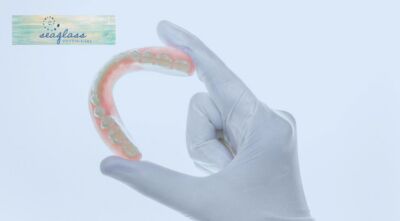
Your Smile,Your Strength. Understanding Dentures, Implants, and Proper Care. At Seaglass Dental Care in North Palm Beach, we believe in empowering our patients with knowledge to make informed decisions about their oral health. Therefore, whether you are considering dentures or dental implants, understanding their benefits, limitations, and maintenance is crucial for long-term satisfaction. While […]

Dental crowns are the frequently recommended modern dentist’s procedure. Dental crowns are a popular method for fixing various dental problems. This combination of form and function makes crowns an attractive option for a variety of patients. Nevertheless, as with any other dental procedure, in the case of crowns, there are both positives and negatives. This […]

Oral hygiene is a critical component of overall health, and flossing has long been recommended by dental professionals as an essential part of daily dental care. However, many people worry about whether flossing might actually harm their gums. This concern is valid and deserves a closer examination. Understanding Gum Sensitivity and Flossing Technique Proper flossing […]

In the quest for pristine oral hygiene, many people reach for antimicrobial mouthwashes as their weapon of choice against bacteria. But what if this daily ritual is doing more harm than good? Recent scientific research has begun to shed light on the complex relationship between antimicrobial mouthwashes and the delicate ecosystem living inside our mouths. […]
