

Let’s explore the causes of receding gums, whether they can grow back, and the treatment options that are available to help maintain a healthy smile.
What Causes Receding Gums?
Gum recession doesn’t happen overnight; it’s usually the result of a combination of factors over time. Here are some common reasons behind this issue:
- Aggressive Tooth Brushing: Brushing too hard or using a hard-bristled toothbrush can wear down gum tissue over time, causing it to recede.
- Periodontal Disease: Gum disease, or periodontal disease, is a major contributor to gum recession. It is caused by bacterial infection that damages gum tissue and can lead to bone loss around the teeth.
- Genetics: Some people are more predisposed to gum disease and gum recession due to genetic factors.
- Hormonal Changes: Especially in women, hormonal changes can make gums more sensitive and vulnerable to recession.
- Grinding and Clenching: Chronic grinding or clenching of teeth can put excessive force on the teeth, causing gum tissue to recede over time.
- Poor Oral Hygiene: Poor oral hygiene leads to plaque buildup, which, if left untreated, can cause gum inflammation and recession.
- Tobacco Use: Smoking or using tobacco products can increase the risk of gum disease, which in turn can cause gum recession.
Understanding the cause of your gum recession is key to finding an effective solution. Your dentist can help you pinpoint these factors and make lifestyle or habit adjustments to slow or prevent further gum loss.
Can Receding Gums Actually Grow Back?
The short answer is no once gum tissue has receded, it does not grow back on its own. Unlike other tissues in the body, gum tissue lacks the regenerative ability to grow back after it’s lost. However, there are treatments available that can help restore the appearance of the gums and, in some cases, help prevent further recession.
Treatment Options for Receding Gums
If you’re dealing with receding gums, there are several approaches to consider. These range from non-surgical treatments to surgical procedures, depending on the severity of the gum recession.
- Scaling and Root Planing
- For mild cases of gum recession caused by plaque and tartar buildup, your dentist may recommend scaling and root planing. This deep cleaning process removes plaque from below the gumline, reducing bacteria and inflammation that contribute to gum recession. While this procedure won’t cause the gums to grow back, it can prevent further damage.
- Gum Grafting Surgery
- Gum grafting is one of the most effective ways to restore gum tissue in areas affected by recession. During this procedure, a dentist or periodontist takes tissue from another part of the mouth, often the palate, and grafts it onto the affected areas. This can help cover exposed tooth roots, protect the teeth, and improve the aesthetics of your smile.
- Pinhole Surgical Technique
- A newer and minimally invasive approach, the pinhole surgical technique involves creating small holes in the gum tissue. A dental professional then gently repositions the gums to cover exposed roots, without the need for sutures. This technique has shown promising results and a faster recovery time.
- Regeneration
- In cases where gum recession is due to bone loss, a dentist may suggest regenerative procedures. These involve the use of grafting materials or proteins that stimulate tissue and bone regeneration, helping to protect the teeth and support the gums.
- Desensitizing Agents and Bonding
- For patients experiencing sensitivity due to gum recession, desensitizing agents and bonding may offer relief. Bonding involves applying a tooth-colored resin over the exposed roots, reducing sensitivity and protecting the roots from further damage.
- Orthodontic Treatment
- For some patients, misaligned teeth can contribute to uneven pressure on the gums, causing recession. In such cases, orthodontic treatment can help align the teeth properly, reducing the risk of further recession.
How to Prevent Gum Recession
Since receding gums can’t grow back, prevention is essential. Here are a few tips to keep your gums healthy:
- Practice Gentle Brushing: Use a soft-bristled toothbrush and gentle pressure to avoid irritating your gums. Brushing too hard can wear down the enamel and contribute to recession.
- Regular Dental Checkups: Seeing a dentist in N Palm Beach or your local area regularly can help catch early signs of gum recession and other oral health issues. Professional cleanings also remove plaque and tartar that can lead to gum disease.
- Floss Daily: Flossing helps remove plaque and food particles between teeth, reducing the risk of gum disease.
- Wear a Mouthguard: If you grind or clench your teeth, wearing a mouthguard can reduce the pressure on your teeth and gums, preventing further damage.
- Quit Tobacco Use: Avoiding tobacco products can greatly reduce your risk of gum disease and other oral health problems.
- Healthy Diet: Eating a balanced diet that’s rich in vitamins and minerals supports overall oral health, keeping your gums strong.

Final Thoughts
While receding gums cannot grow back naturally, there are several ways to address the problem and protect your oral health. Early intervention is key, so if you notice any signs of gum recession such as sensitivity, longer-looking teeth, or a change in your gumline, it’s essential to seek professional advice. Treatments like gum grafting, deep cleaning, and regenerative procedures can help maintain a healthy smile and prevent further gum loss.
Your dental health is important, and by taking preventive steps and exploring treatment options with a trusted dentist, you can manage gum recession effectively and confidently.
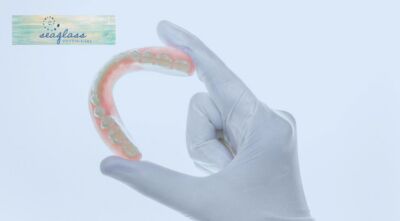
Your Smile,Your Strength. Understanding Dentures, Implants, and Proper Care. At Seaglass Dental Care in North Palm Beach, we believe in empowering our patients with knowledge to make informed decisions about their oral health. Therefore, whether you are considering dentures or dental implants, understanding their benefits, limitations, and maintenance is crucial for long-term satisfaction. While […]

At Seaglass Dental Care, patients often ask us how long they should wait to eat after teeth cleaning. This common concern is understandable since many want to enjoy their meals without compromising their fresh dental work. Understanding Professional Teeth Cleaning Professional teeth cleaning removes plaque and tartar buildup from tooth surfaces. During this process, dental […]

Dental crowns are the frequently recommended modern dentist’s procedure. Dental crowns are a popular method for fixing various dental problems. This combination of form and function makes crowns an attractive option for a variety of patients. Nevertheless, as with any other dental procedure, in the case of crowns, there are both positives and negatives. This […]

Oral hygiene is a critical component of overall health, and flossing has long been recommended by dental professionals as an essential part of daily dental care. However, many people worry about whether flossing might actually harm their gums. This concern is valid and deserves a closer examination. Understanding Gum Sensitivity and Flossing Technique Proper flossing […]
