

Cosmetic dental work, such as veneers, crowns, and implants, can significantly enhance your smile and boost your confidence. However, maintaining these dental enhancements requires more than just good oral hygiene practices; your diet plays a crucial role as well. At Seaglass Dental Care, North Palm Beach dentist believe in a holistic approach to dental care, emphasizing the importance of nutrition in preserving the longevity and aesthetics of your cosmetic dental work.
The Connection Between Nutrition and Oral Health
Proper nutrition is essential for maintaining overall health, including oral health. What you eat and drink directly impacts the health of your teeth and gums, which in turn affects the longevity of your cosmetic dental treatments. Nutrient-rich foods help to strengthen your natural teeth and gums, creating a stable environment for your cosmetic enhancements.
Foods That Support Cosmetic Dental Work
Calcium-Rich Foods:
Importance: Calcium is vital for maintaining strong bones and teeth. It helps to keep the natural tooth structure healthy, which is essential for supporting crowns, veneers, and implants.
Sources: Dairy products like milk, cheese, and yogurt, as well as leafy green vegetables, almonds, and fortified plant-based milks.
Phosphorus-Rich Foods:
Importance: Phosphorus works in conjunction with calcium to strengthen teeth. It is crucial for repairing and maintaining tooth enamel.
Sources: Meat, fish, eggs, dairy products, nuts, and beans.
Vitamin D:
Importance: Vitamin D aids in the absorption of calcium and phosphorus, ensuring that these minerals can effectively support your teeth.
Sources: Sunlight, fatty fish like salmon and mackerel, fortified dairy products, and egg yolks.
Vitamin C:
Importance: Vitamin C is essential for gum health. Healthy gums are crucial for the stability of dental implants and the fit of veneers and crowns.
Sources: Citrus fruits, strawberries, bell peppers, broccoli, and Brussels sprouts.
Fiber-Rich Foods:
Importance: High-fiber foods stimulate saliva production, which helps to cleanse the mouth and reduce the risk of decay and gum disease.
Sources: Fruits, vegetables, whole grains, and legumes.

Foods to Avoid
While certain foods can support your oral health, others can be detrimental, especially if you have cosmetic dental work. Here are some foods and beverages to limit or avoid:
Sugary Foods and Drinks:
Impact: Sugary foods and drinks can lead to plaque buildup and tooth decay. Acidic by-products from sugar consumption can also erode tooth enamel.
Examples: Candy, soda, sugary snacks, and desserts.
Sticky Foods:
Impact: Sticky foods can cling to your teeth and cosmetic enhancements, increasing the risk of decay and damage.
Examples: Caramel, gummy candies, and dried fruits.
Acidic Foods and Drinks:
Impact: Acidic foods and drinks can erode enamel and affect the bonding of veneers and crowns.
Examples: Citrus fruits, tomatoes, vinegar-based dressings, and carbonated beverages.
Hard Foods:
Impact: Biting down on hard foods can chip or crack veneers, crowns, and implants.
Examples: Hard candies, ice, nuts, and popcorn kernels.
Tips for Maintaining Cosmetic Dental Work Through Nutrition
Balanced Diet:
Advice: Eat a well-balanced diet rich in vitamins and minerals to support your overall and oral health.
Hydration:
Advice: Drink plenty of water throughout the day to stay hydrated and help wash away food particles and bacteria from your mouth.
Moderation:
Advice: Enjoy sugary and acidic foods in moderation, and rinse your mouth with water after consuming them to minimize their impact.
Healthy Snacking:
Advice: Choose snacks that are beneficial for your oral health, such as cheese, yogurt, fruits, and vegetables.
Oral Hygiene:
Advice: Complement your nutritious diet with a strong oral hygiene routine, including regular brushing, flossing, and dental check-ups.
The Role of Seaglass Dental Care in Your Oral Health
At Seaglass Dental Care, we are committed to helping you maintain your cosmetic dental work through comprehensive care and personalized advice. During your visits, we provide nutritional guidance tailored to your specific needs, ensuring that your diet supports the longevity and appearance of your veneers, crowns, implants, and other cosmetic enhancements.
Conclusion
Maintaining cosmetic dental work requires a multifaceted approach that includes diligent oral hygiene and a nutritious diet. By incorporating nutrient-rich foods into your daily routine and avoiding harmful dietary choices, you can extend the life of your cosmetic treatments and enjoy a healthy, beautiful smile for years to come. At Seaglass Dental Care, we are here to support you every step of the way, providing expert care and advice to help you achieve and maintain optimal oral health and hygiene.
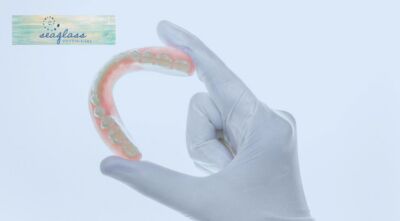
Your Smile,Your Strength. Understanding Dentures, Implants, and Proper Care. At Seaglass Dental Care in North Palm Beach, we believe in empowering our patients with knowledge to make informed decisions about their oral health. Therefore, whether you are considering dentures or dental implants, understanding their benefits, limitations, and maintenance is crucial for long-term satisfaction. While […]

Dental crowns are the frequently recommended modern dentist’s procedure. Dental crowns are a popular method for fixing various dental problems. This combination of form and function makes crowns an attractive option for a variety of patients. Nevertheless, as with any other dental procedure, in the case of crowns, there are both positives and negatives. This […]

Oral hygiene is a critical component of overall health, and flossing has long been recommended by dental professionals as an essential part of daily dental care. However, many people worry about whether flossing might actually harm their gums. This concern is valid and deserves a closer examination. Understanding Gum Sensitivity and Flossing Technique Proper flossing […]

In the quest for pristine oral hygiene, many people reach for antimicrobial mouthwashes as their weapon of choice against bacteria. But what if this daily ritual is doing more harm than good? Recent scientific research has begun to shed light on the complex relationship between antimicrobial mouthwashes and the delicate ecosystem living inside our mouths. […]
