

We all know the importance of brushing and flossing for a healthy smile, but oral health goes beyond just good hygiene practices. What you eat plays a crucial role in the health and strength of your teeth and gums. Deficiencies in certain vitamins and minerals can significantly impact your oral health, making you more susceptible to problems like cavities, gum disease, and even tooth loss.
In this blog Dentist North Palm Beach FL will help you explore the connection between nutritional deficiencies and oral health, highlighting key nutrients and their influence on your smile.
The Building Blocks of a Healthy Smile
Your mouth is a complex ecosystem teeming with bacteria. While some bacteria are beneficial, others can contribute to gum disease and cavities. A healthy diet rich in essential nutrients provides the building blocks your body needs to fight off harmful bacteria and maintain a healthy oral environment. Here are some key nutrients and their roles in oral health:
- Calcium: This mineral is the foundation of strong teeth and bones. Calcium deficiency can weaken tooth enamel, increasing the risk of cavities.
- Vitamin D: Vitamin D plays a vital role in calcium absorption. Deficiency in vitamin D can hinder your body’s ability to utilise calcium effectively, impacting tooth development and overall oral health.
- Phosphate: Another crucial mineral component of tooth enamel, phosphate works alongside calcium to maintain strong teeth.
- Vitamin A: Vitamin A is essential for maintaining healthy mucous membranes in the mouth, which act as a first line of defence against infection. Deficiency can lead to dry mouth, increasing the risk of cavities and gum disease.
- Vitamin C: This powerful antioxidant plays a vital role in collagen production, a protein essential for healthy gums. Vitamin C deficiency can lead to weak gums and increased susceptibility to gum disease.
- Vitamin B Complex: Several B vitamins, including B12 and folic acid, are crucial for cell health and renewal. Deficiencies in these vitamins can affect the health of your gums and oral tissues.
- Iron: Iron deficiency, particularly common in women, can cause glossitis (inflammation of the tongue) and affect taste perception.

Nutritional Deficiencies and Oral Health Problems
Deficiencies in these key nutrients can manifest in various oral health problems:
- Cavities: Weakened enamel due to calcium and phosphate deficiencies makes teeth more susceptible to cavities.
- Gum Disease: Vitamin C deficiency can lead to weak gums, making them more prone to inflammation and infection (gingivitis) and potentially progressing to periodontitis (severe gum disease).
- Oral Thrush: Vitamin B deficiencies can contribute to the development of oral thrush, a fungal infection that causes white patches to form on the tongue and inner cheeks.
- Slow Healing: Deficiencies in various nutrients can impair the body’s ability to heal after dental procedures.
- Burning Mouth Syndrome: Vitamin deficiencies, particularly B vitamins, can be linked to burning mouth syndrome, a chronic condition causing a burning or tingling sensation in the mouth.
Nutritional Powerhouses for a Healthy Smile
To support optimal oral health, prioritise including these foods in your diet:
- Dairy Products: Milk, cheese, and yoghurt are excellent sources of calcium, vitamin D, and other essential nutrients.
- Leafy Green Vegetables: These powerhouses provide calcium, vitamins A and C, and folic acid.
- Fatty Fish: Salmon, tuna, and sardines are rich sources of vitamin D and omega-3 fatty acids, which can benefit gum health.
- Citrus Fruits: Oranges, grapefruits, and lemons provide a good dose of vitamin C.
- Lean Proteins: Lean meats, poultry, and fish offer protein and iron, essential for maintaining healthy gums and tissues.
- Whole Grains: Whole grains are a good source of B vitamins and fibre, which can contribute to overall oral health.
Dietary Considerations and Supplements
- Balance is Key: While these foods are beneficial, a balanced diet is crucial. Avoid excessive sugar intake, as it can contribute to cavities and gum disease.
- Sun Exposure: Moderate sun exposure can help your body synthesise vitamin D. Consult your doctor regarding safe sun exposure guidelines.
- Supplements: If you suspect a nutritional deficiency, consider discussing supplementation with your doctor. However, a well-balanced diet should be the primary source of nutrients.
Maintaining good oral health goes beyond brushing and flossing. A balanced diet rich in essential vitamins and minerals provides the building blocks for strong teeth and healthy gums. By understanding the connection between nutritional deficiencies and oral health problems, you can make informed dietary choices and prioritise a well-rounded diet to support a healthy smile that lasts a lifetime.
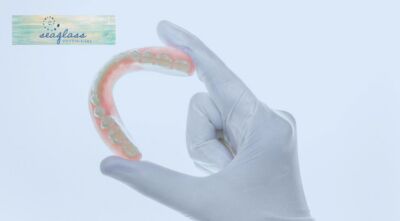
Your Smile,Your Strength. Understanding Dentures, Implants, and Proper Care. At Seaglass Dental Care in North Palm Beach, we believe in empowering our patients with knowledge to make informed decisions about their oral health. Therefore, whether you are considering dentures or dental implants, understanding their benefits, limitations, and maintenance is crucial for long-term satisfaction. While […]

Dental crowns are the frequently recommended modern dentist’s procedure. Dental crowns are a popular method for fixing various dental problems. This combination of form and function makes crowns an attractive option for a variety of patients. Nevertheless, as with any other dental procedure, in the case of crowns, there are both positives and negatives. This […]

Oral hygiene is a critical component of overall health, and flossing has long been recommended by dental professionals as an essential part of daily dental care. However, many people worry about whether flossing might actually harm their gums. This concern is valid and deserves a closer examination. Understanding Gum Sensitivity and Flossing Technique Proper flossing […]

In the quest for pristine oral hygiene, many people reach for antimicrobial mouthwashes as their weapon of choice against bacteria. But what if this daily ritual is doing more harm than good? Recent scientific research has begun to shed light on the complex relationship between antimicrobial mouthwashes and the delicate ecosystem living inside our mouths. […]
