

Medications play a crucial role in managing various health conditions and improving overall well-being. However, many people are unaware of the potential impact these medications can have on oral health. Certain drugs can cause side effects that affect the mouth and teeth, posing risks such as dry mouth, gum inflammation, and increased susceptibility to dental problems. In this blog post, Dentist in N Palm Beach will help you to explore the impact of medications on oral health and discuss strategies to protect your smile while undergoing treatment.
Understanding the Link Between Medications and Oral Health
Numerous medications, both prescription and over-the-counter, can have adverse effects on oral health. One common side effect is dry mouth (xerostomia), which occurs when medications reduce saliva production. Saliva plays a crucial role in protecting the teeth and gums by neutralizing acids, washing away food particles, and preventing bacterial growth. Without an adequate saliva flow, individuals may experience an increased risk of tooth decay, gum disease, and oral infections.
Additionally, certain medications can cause gum inflammation (gingivitis) or overgrowth (gingival hyperplasia), leading to discomfort, bleeding, and aesthetic concerns. These medications may include anticonvulsants, immunosuppressants, and calcium channel blockers used to treat various medical conditions.
Furthermore, some medications, such as certain antibiotics and antihistamines, can cause changes in taste perception or contribute to the development of oral thrush (oral candidiasis), a fungal infection characterized by white patches on the tongue and inner cheeks.

Strategies to Protect Your Oral Health While Taking Medications
- Maintain Good Oral Hygiene:
Practice meticulous oral hygiene habits to reduce the risk of dental problems associated with medications. Brush your teeth twice daily with fluoride toothpaste, floss between your teeth or use interdental brushes to remove plaque and food debris, and rinse with an alcohol-free mouthwash to help maintain oral health.
- Stay Hydrated:
Stay hydrated by drinking plenty of water throughout the day to alleviate dry mouth symptoms. Sipping water frequently can help stimulate saliva production and keep the mouth moist, reducing the risk of tooth decay and oral discomfort. Avoid caffeinated and sugary beverages, as they can contribute to dehydration and exacerbate dry mouth symptoms.
- Use Saliva Substitutes or Stimulants:
Consider using saliva substitutes or stimulants, such as sugar-free chewing gum or lozenges, to help alleviate dry mouth symptoms and stimulate saliva flow. These products can provide temporary relief and improve oral comfort, especially for individuals taking medications that cause significant dryness.
- Schedule Regular Dental Checkups:
Maintain regular dental checkups and cleanings with our dentist to monitor your oral health and address any concerns promptly. Inform our dentist about the medications you’re taking and any side effects you’re experiencing, as this information can help guide treatment recommendations and preventive measures.
- Communicate with Your Healthcare Providers:
Keep your healthcare providers informed about any changes or concerns regarding your oral health while taking medications. They can provide guidance on managing side effects, adjusting medication dosages, or exploring alternative treatment options to minimize adverse effects on your oral health.
While medications are essential for managing various health conditions, it’s essential to be aware of their potential impact on oral health. By understanding the link between medications and oral health and implementing proactive strategies to protect your smile, you can minimize the risks associated with medication-related side effects. Remember to prioritize good oral hygiene, stay hydrated, and communicate openly with your healthcare providers to ensure optimal oral health and overall well-being. Your smile deserves the best care, even when taking medications for other health concerns.
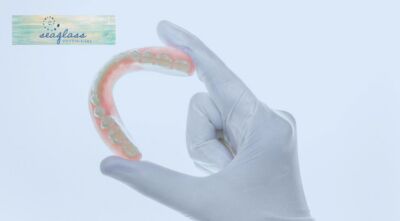
Your Smile,Your Strength. Understanding Dentures, Implants, and Proper Care. At Seaglass Dental Care in North Palm Beach, we believe in empowering our patients with knowledge to make informed decisions about their oral health. Therefore, whether you are considering dentures or dental implants, understanding their benefits, limitations, and maintenance is crucial for long-term satisfaction. While […]

Dental crowns are the frequently recommended modern dentist’s procedure. Dental crowns are a popular method for fixing various dental problems. This combination of form and function makes crowns an attractive option for a variety of patients. Nevertheless, as with any other dental procedure, in the case of crowns, there are both positives and negatives. This […]

Oral hygiene is a critical component of overall health, and flossing has long been recommended by dental professionals as an essential part of daily dental care. However, many people worry about whether flossing might actually harm their gums. This concern is valid and deserves a closer examination. Understanding Gum Sensitivity and Flossing Technique Proper flossing […]

In the quest for pristine oral hygiene, many people reach for antimicrobial mouthwashes as their weapon of choice against bacteria. But what if this daily ritual is doing more harm than good? Recent scientific research has begun to shed light on the complex relationship between antimicrobial mouthwashes and the delicate ecosystem living inside our mouths. […]
